Parenting Today 
Contact
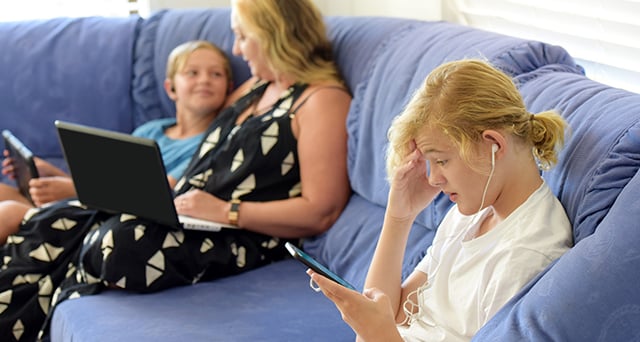
The Parenting Today findings suggest that parents of children with disability are experiencing greater pressure, but they are also actively looking for support.
Understanding where parents seek help, which sources they trust, and what makes accessing them easier and harder can help inform the design of services and supports for families of children with disability.
Compared with other parents of 0-8 year olds, parents of children with disability are more likely to experience psychological distress, loneliness and greater demands in their parenting role.
were experiencing high psychological distress, compared with 11% of parents without a child with disability
felt lonely at least some of the time, compared with 31% of parents without a child with disability

find parenting frustrating, compared with 21% of parents without a child with disability
At the same time, compared with other parents of 0-8 year olds, parents of children with disability are actively seeking information, advice and support.
turn to a GP for support for parenting information

wanted to attend a parenting program but were unable to

had looked online for parenting information or advice in the previous year

trusted the reliability of information they found on social media

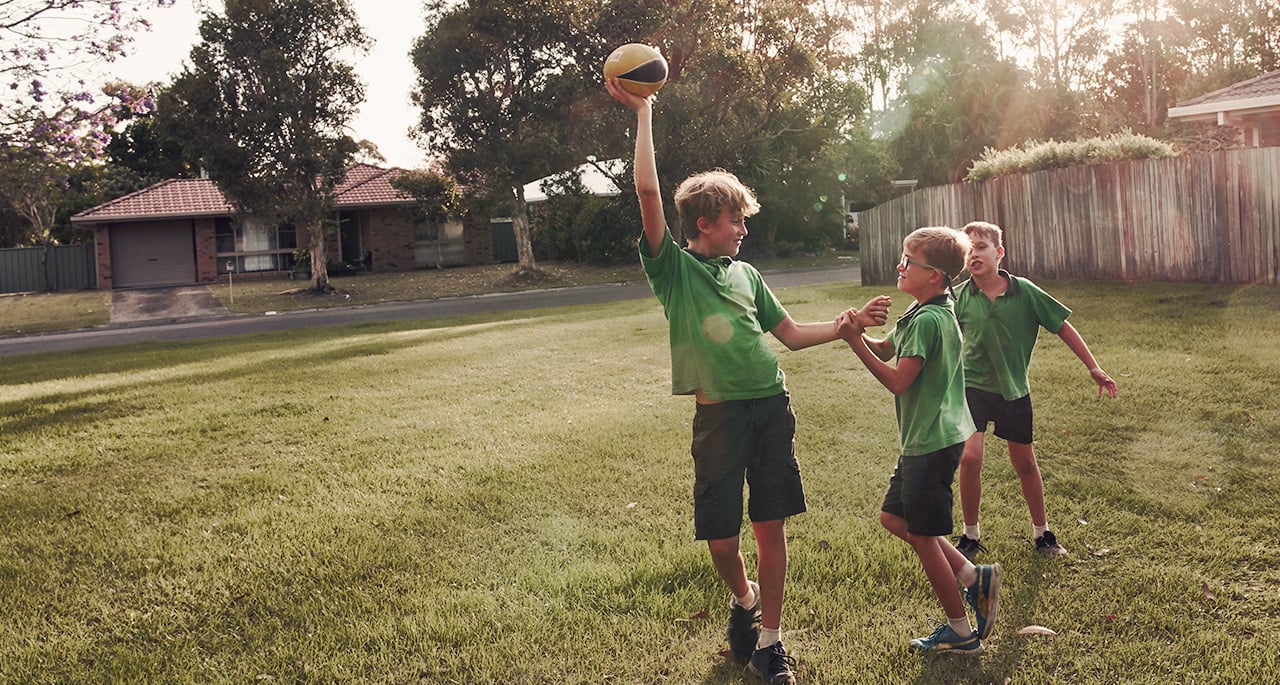
This analysis focuses on 13.2% (n=632) of the 4733 parents of 0-8 year olds in the sample who reported that their child had an intellectual disability or developmental delay, sensory or speech condition, learning difficulty, and/or autism.
Read the Parenting supports that help children with disability thrive Insight Brief for more detail on parent wellbeing, support use, help-seeking and barriers to accessing support.
If these findings are relevant to your policy, service, research or practice, we welcome enquiries about the analysis and how Parenting Today evidence could support your work.
Source: Parenting Today national survey 2025. Percentages may be based on valid responses and may not total 100% due to rounding